For many carriers, the fleet plan is no longer only about what is on order. It is also about how much more the existing fleet can still deliver in capacity, comfort, and brand value. New aircraft delivery delays continue to affect fleet planning across the market. That pressure has made the in-service fleet a more strategic asset. Airline cabin modernization, applied to the aircraft an operator already flies, has become a practical response. It is worth understanding before the next planning cycle.
The appeal is straightforward for airline commercial and product leaders. Reworking an in-service cabin can recover capacity and refresh the passenger experience. It does this without adding an airframe or waiting on the delivery queue. The harder part is execution. That is where an engineering and certification partner matters. GAL Aerospace works in this space. The company develops and supports certified cabin modifications for operators who need more from the aircraft already in their fleet.
Why OEM Delivery Delays Strengthen the Case for Cabin Modernization
When deliveries slip, aircraft once slated to retire stay in service. Average fleet age rises. Cabins long overdue for replacement keep flying. As a result, the capacity those new jets promised does not arrive. Carriers feel this most on narrowbody routes. There, single-aisle aircraft carry the bulk of domestic flying and turn several times a day.
The instinct is to wait. That is understandable, but waiting carries its own cost. An aging cabin still shapes how passengers judge the brand on every flight. Gate-checked bags still slow boarding. Premium demand still goes unmet when the layout cannot support it. The aircraft works hard, yet its interior reflects choices made years earlier under different commercial conditions.
A second option does not depend on the OEM schedule. In practice, the aircraft on the ramp already holds usable volume and flexible floor space. Reworking that space lets an operator recover capacity and refresh the passenger experience. The real decision is whether to leave that potential idle or put it to work.
Airline Cabin Modernization as a Capacity Strategy
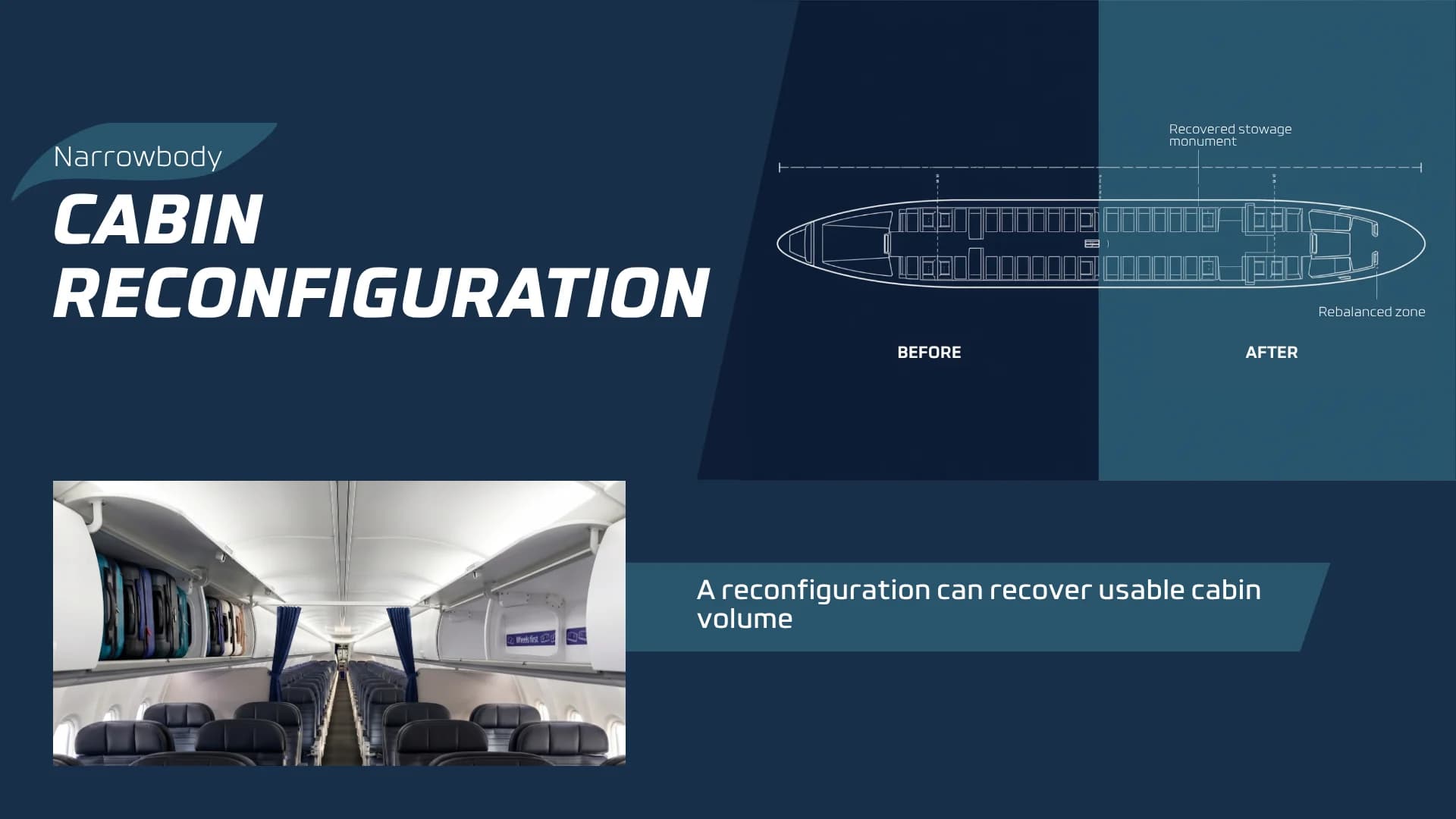
Airline cabin modernization covers the structured upgrade of an in-service interior. The goal is better capacity, comfort, or brand alignment. It is not a cosmetic refresh, and it is not a full new-build program. The work targets the parts of the cabin that shape daily operations and passenger perception. It also follows the certification rules that govern any change to an aircraft interior.
Three areas tend to deliver the most for the effort involved.
Overhead Bins and Usable Cabin Volume
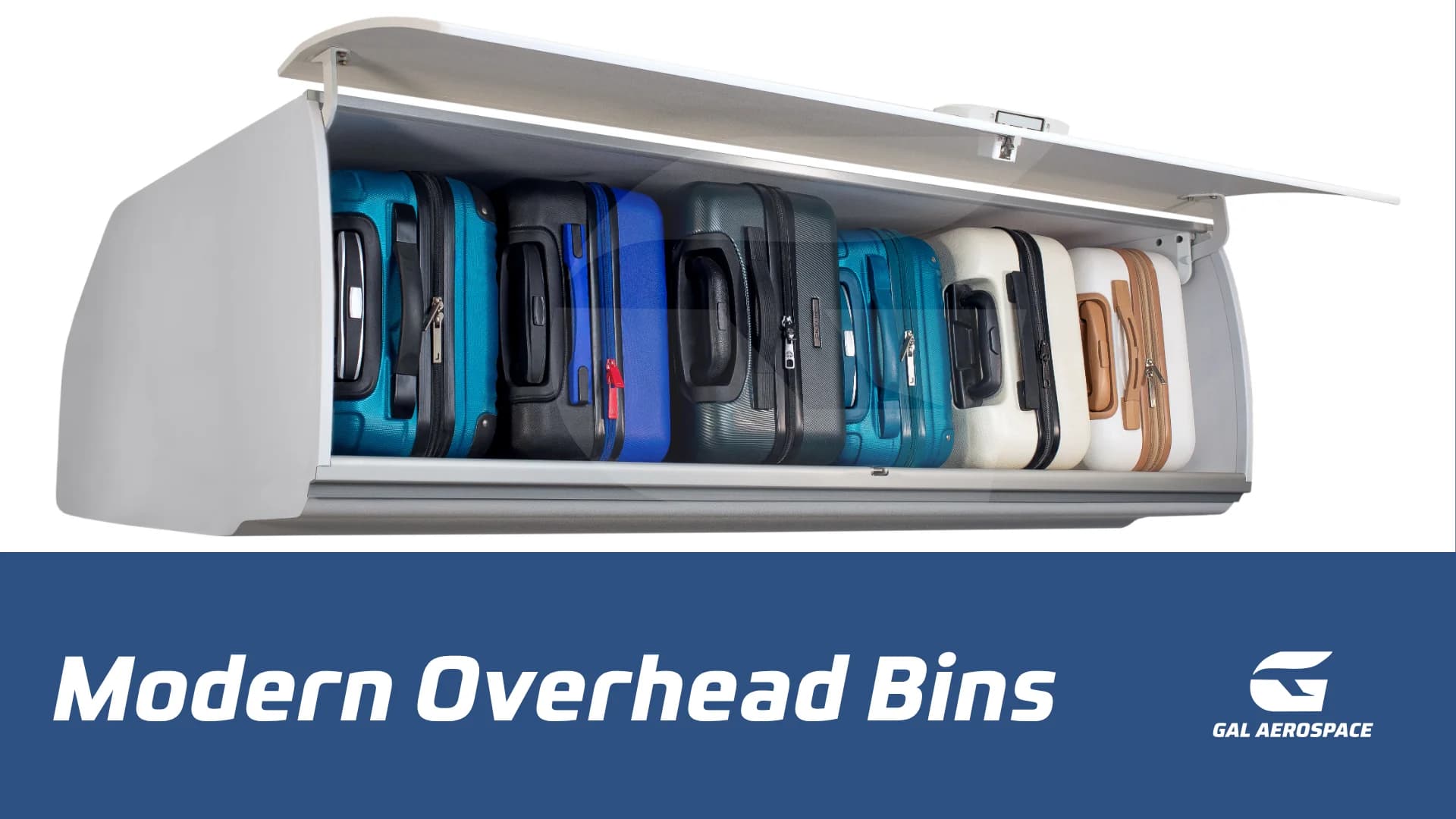
Carry-on storage is one of the clearest constraints on a busy narrowbody. When bins fill before boarding finishes, agents gate-check bags, departures slip, and passengers arrive frustrated. Modern bin designs reclaim volume that older configurations leave unused.
GAL Aerospace produces shelf-style overhead bin solutions across several platforms, including Boeing 737 and Airbus A320 family aircraft. Certified modification programs support each one. These programs reclaim cabin stowage volume while respecting platform-specific configuration requirements. For example, on the A320 family, the upgrade reuses the existing passenger service units, lighting, and oxygen systems. It does not replace the ceiling. More stowage at the seat means fewer bags in the hold, faster boarding, and a smoother departure.
Monument and Galley Reconfiguration
Galleys, closets, and lavatories set how the cabin divides into zones. Moving or redesigning these monuments changes how many seats fit. It also changes how the premium and economy areas balance. A relocated galley can open a row. A redesigned closet can recover space that a dated layout wasted.
This is where aircraft cabin reconfiguration becomes a structural exercise rather than a trim swap. Monuments carry loads, meet strict fire and weight requirements, and tie into nearby systems. When done well, the work lets a carrier rebalance the cabin to match current demand. That demand often differs from the layout the aircraft first entered service with.
Seating Layout and Cabin Densification
Adjusting seat count and pitch is the most direct lever on capacity. Careful cabin densification can add seats without crossing the comfort threshold that sends passengers to competitors. In contrast, the same approach works in reverse for carriers expanding premium zones. There, the goal is fewer, better seats that command higher fares.
Either direction needs the surrounding cabin to support the change. Seat tracks, monuments, and emergency egress all shape what a layout can legally and practically become. For that reason, teams plan narrowbody cabin reconfiguration as a whole-cabin program rather than a seat-by-seat adjustment.
What Narrowbody Cabin Reconfiguration Involves
The business case is straightforward. The execution, however, is not. That gap is where programs succeed or stall. Any meaningful change to an in-service cabin runs through engineering and certification before it reaches the aircraft.
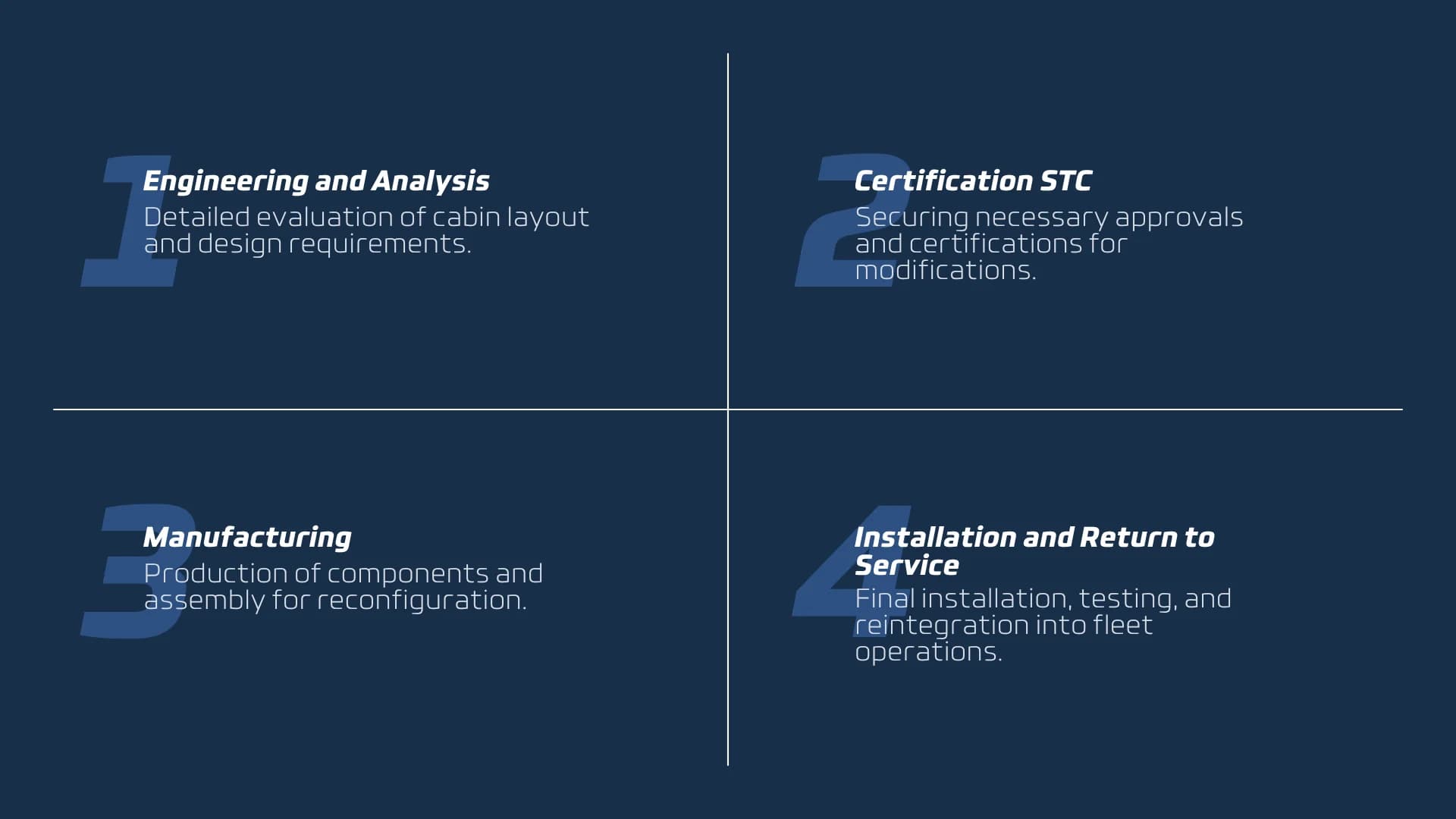
The work starts with structural analysis, material qualification, and flammability testing. It then moves to the development of a Supplemental Type Certificate. That certificate authorizes the modification on a specific aircraft type. GAL Aerospace supports the engineering, testing, certification documentation, and regulatory coordination these programs require. That includes projects that need approval pathways with major aviation authorities. Its portfolio includes 14 active supplemental type certificates across multiple commercial aircraft platforms. The applicable regulatory authority approves each one for service.
Certification timing matters more than operators sometimes expect. A modification planned without the certification path in mind invites redesign cycles and schedule risk. Building the certification logic in from the start supports the planned maintenance window and return-to-service objectives. That discipline protects the very capacity the program aims to recover.
How to Evaluate a Cabin Reconfiguration Partner
Awareness is the right stage to set evaluation criteria. The wrong partner can cost more in downtime than the modification saves in capacity. A few questions separate a credible provider from a risky one.
Does the partner hold its own approvals, or depend on others for the regulated work? GAL operates an AS9100 Rev D and ISO 9001:2015 quality system. It also holds Transport Canada CAR 561 Approved Organization status for the manufacture of aeronautical products under controlled, audited processes. GAL releases eligible products with the appropriate authorized documentation under the applicable approval framework.
Can the partner engineer, manufacture, and support certification under one program? Or does the work pass through several hands? Integration tends to reduce friction. The team that designs the modification is the team that builds it and prepares the certification documentation. Has the partner worked on the platform in question? Platform-specific experience can support future programs on the same aircraft type, since much of the groundwork already exists.
These questions favor providers set up for in-service modification work rather than high-volume line-fit production. The skills are different, and so is the pace.
Where GAL Aerospace Fits in Cabin Modernization
Airline cabin modernization tends to run more smoothly when one team carries the engineering, manufacturing, and certification work. GAL Aerospace is a vertically integrated cabin interiors and modification partner. It brings more than two decades of experience serving airlines, OEMs, MRO operators, and lessors. The company designs, engineers, manufactures, supports certification, and installs cabin solutions. An integrated platform spanning GAL Aviation, AeroQuest, and GAL AeroStaff backs that work.
That structure suits the moment carriers are in. When deliveries run late, the existing fleet has to carry more of the network. The constraint is rarely ambition. It is the ability to develop a certified change and support installation around the planned maintenance window. GAL's model fits specialized in-service programs. The approach starts with the operator problem, develops a custom engineering solution, and supports a controlled path to approval and entry into service.
Airline cabin modernization will not replace a delayed aircraft order. In many cases, though, it recovers enough capacity and brand value to bridge the gap until those aircraft arrive. It does so with assets that already earn revenue.
Cabin Modernization and the Delivery Gap
Late deliveries have changed how carriers value the aircraft they already operate. In many cases, airline cabin modernization has shifted from a tactical fix to a planned part of fleet strategy. The current fleet holds capacity and brand potential that a thoughtful reconfiguration can release. A reconfiguration can often move faster than a new airframe. Carriers that treat modernization as a planned capacity strategy, rather than a stopgap, may respond to a supply constraint from a stronger competitive position.
The first step is understanding what your specific fleet and platforms can support. Contact GAL Aerospace to discuss your aircraft interior program.
Start the Conversation
Ready to Scope a Cabin Modernization Program?
Use our contact form to select your area of interest and schedule a call with our engineering team.